Pakistan Refuse to Face India at T20 World Cup 2026 – What’s Really Happening?
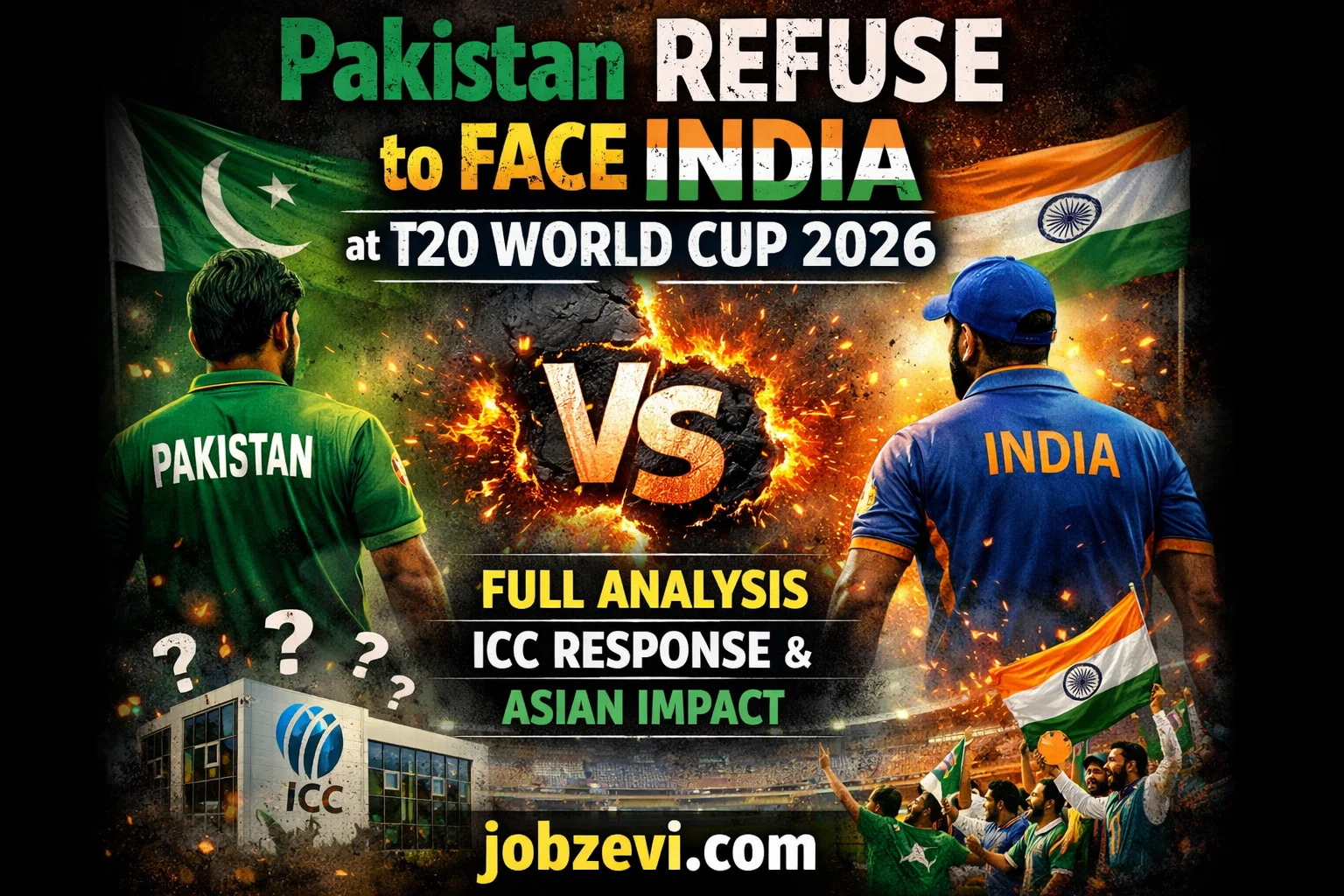
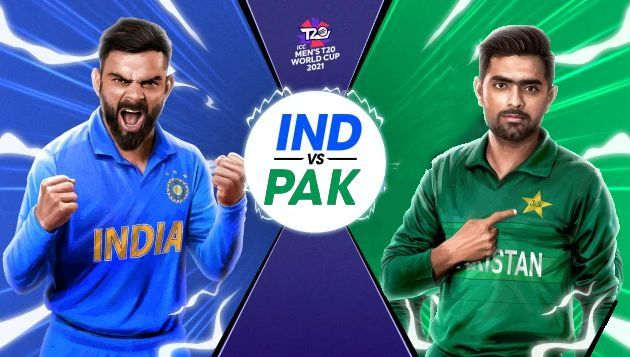
Pakistan’s reported decision to play the T20 World Cup 2026 but refuse to face India has sent shockwaves through the cricketing world. This development, highlighted by major international media, has become one of the most discussed cricket stories across Asia. Given the unmatched popularity of India vs Pakistan matches, this issue has major implications for the ICC, broadcasters, sponsors, and fans.
Unlike routine cricket news, this situation goes beyond sport. It sits at the intersection of cricket, politics, diplomacy, and international governance.
Background: Why Pakistan vs India Matches Are So Rare
Cricket matches between Pakistan and India have been limited for more than a decade due to political tensions and diplomatic breakdowns. Bilateral series have been suspended, with the two teams meeting almost exclusively in ICC tournaments or Asia Cup events.
Because of this scarcity, every India vs Pakistan World Cup match becomes a global spectacle, often drawing higher viewership than World Cup finals.
Why Pakistan Is Reluctant to Play India
According to reports, Pakistan’s reluctance to face India in the T20 World Cup 2026 stems from multiple interconnected factors:
- Political and diplomatic tensions
- Concerns over venue neutrality and security guarantees
- Disagreements over tournament hosting arrangements
- Long-standing issues between cricket boards influenced by government policies
Pakistan has maintained that cricket cannot be fully separated from broader state-level considerations.
Pakistan’s Official Position Explained
Pakistan has clarified that it remains committed to participating in the T20 World Cup 2026, but playing against India is a separate matter. This distinction is crucial. It suggests Pakistan is not withdrawing from the tournament, but instead challenging the structure that forces an India vs Pakistan fixture.
This stance puts the Pakistan Cricket Board (PCB) in direct negotiations with the ICC.
ICC’s Dilemma: Commercial Value vs Tournament Integrity
The ICC faces an unprecedented challenge. An India vs Pakistan match is the single most valuable fixture in world cricket. Removing it would affect:
- Broadcast revenue
- Sponsorship deals
- Global viewership numbers
- Tournament marketing strategies
At the same time, the ICC must preserve fairness, competition integrity, and equal treatment of all member boards.
Possible ICC Solutions Under Discussion
Cricket analysts believe the ICC may consider several options:
- Placing India and Pakistan in separate groups
- Neutral venue compromises
- Adjusted tournament formats
- Diplomatic mediation involving cricket boards and governments
Each option carries financial, sporting, and political consequences.
Impact on T20 World Cup 2026 Schedule
If Pakistan officially refuse to play India, the T20 World Cup 2026 schedule could be reshaped entirely. Fans, especially in Asia, plan viewing habits around this match. Removing it could reduce overall excitement but may also set a new precedent for future ICC events.
Asian Fan Reaction and Social Media Trends
Across Pakistan, India, Bangladesh, Sri Lanka, and the Middle East, searches related to Pakistan refuse to play India T20 World Cup have surged. Social media platforms are flooded with debates, opinions, and reactions.
For many Asian fans, this match symbolizes more than cricket—it reflects identity, rivalry, and history.
What This Means for Pakistan Cricket
From Pakistan’s perspective, the decision carries risks. Possible consequences include:
- ICC penalties or sanctions
- Points adjustments
- Diplomatic pressure through cricketing channels
- Long-term impact on Pakistan’s role in ICC tournaments
Balancing national interests with sporting responsibilities will be critical.
What This Means for India Cricket
For India, the absence of a Pakistan match would also have consequences. While India holds strong commercial influence, missing this rivalry could affect fan engagement and tournament narrative.
However, India’s cricket board has historically aligned closely with ICC frameworks.
Bigger Picture: Can Cricket Stay Separate from Politics?
This situation once again raises a central question: Can international cricket remain independent of political realities? The India–Pakistan relationship suggests that, at least in South Asian cricket, complete separation remains difficult.
The T20 World Cup 2026 could become a landmark case for how ICC handles political disputes in global sport.
Final Thoughts
Pakistan’s reported refusal to face India at the T20 World Cup 2026 represents one of the most significant controversies in modern cricket. As the ICC navigates commercial pressures, political realities, and sporting fairness, fans across Asia await clarity.
Whether this iconic rivalry returns or disappears from the World Cup stage, the decision will shape the future of international cricket.
Stay connected for verified updates on Pakistan, India, and the T20 World Cup 2026.